

Learning feels unforgettable when it invites children to wonder, experiment, and reflect. Instead of treating school as a race to finish tasks, engaging education turns each day into a series of discoveries with a purpose. Fun, in this sense, isn’t loud entertainment; it’s the satisfaction of figuring something out and realizing it matters.
Wonder-First Lesson Design
A strong way to make education enjoyable is to begin with a question rather than an answer. Teachers can introduce a puzzling image, a surprising fact, or a real-life scenario and let students predict what might be happening. Once learners are intrigued, reading and research feel like tools they want to use. This approach helps children practice critical thinking while staying emotionally invested in the topic.
Learning Through Real Materials
Personal Pace, Clear Pathways
Not every child absorbs skills at the same speed, and “fun” disappears when students feel rushed or left behind. Flexible routines allow learners to practice until they feel confident, then move forward without shame or boredom. In a thoughtful learning environment, students can revisit materials, ask for support, and challenge themselves when ready. This builds resilience because children learn that progress is something they can control with effort.
Movement That Improves Focus
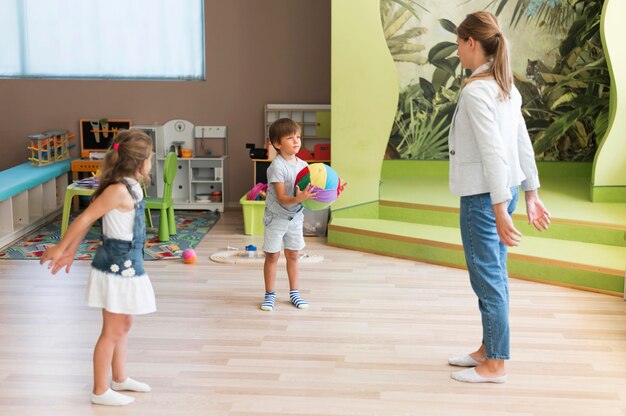
When children move, their attention often improves. Short activities like rotating stations, acting out vocabulary, doing math with jump-counting, or using hallway “gallery walks” for projects can refresh energy and reduce restlessness. Movement also supports different learning styles, especially for children who think best while their bodies are active. The result is a class that feels more alive and less exhausting.
Stories That Give Ideas a Heart
Storytelling makes information stick because it connects facts to emotion. A science concept becomes more memorable when framed through a tale of exploration, mistakes, and breakthroughs. History becomes meaningful when students hear personal accounts and imagine daily life in another time. Even math can be taught through stories of patterns, puzzles, and challenges. When students retell ideas in their own words, comprehension deepens naturally.
Projects With Real-World Outcomes
Education feels meaningful when students can see how their work helps someone or solves something. Designing a simple awareness poster, creating a class guide for saving water at home, building a mini library corner, or planning a small community event turns academic skills into practical impact. Because the goal is clear, kids can practice speaking, writing, math, and collaboration without feeling like they are putting in extra work.
Collaboration That Teaches More Than Content
Group work becomes genuinely enjoyable when it’s structured for fairness and clarity. Instead of “just working together,” students can be given rotating roles such as organizer, timekeeper, materials manager, and presenter so every child contributes. This reduces frustration and teaches leadership in small, realistic steps. Collaboration also builds communication skills: children learn how to disagree politely, ask for evidence, and explain their thinking. Over time, they begin to see classmates as resources rather than competitors, which makes school feel warmer and more supportive.
Reflection That Turns Activity Into Learning
Fun activities are valuable, but they become meaningful when students pause to connect the experience to an idea. Quick reflections can be simple: a two-sentence journal entry, a “what surprised me” sticky note, or a short share-out circle. Teachers might ask questions like, “Which strategy was most beneficial to you?” or What would you change next time? This activity guides children in identifying patterns within their actions and results. It also encourages responsibility, because students learn to evaluate their choices rather than waiting for adults to tell them what happened.
Feedback as Friendly Coaching
Fun disappears when feedback feels like punishment. The most motivating feedback is specific, kind, and actionable: what’s working, what to improve next, and how to practice. Short conferences, peer feedback with clear rules, and simple reflection prompts help students notice their progress. When mistakes are treated as information rather than failure, children take more risks, and risk-taking is where real learning happens.
Creativity in Everyday Routines
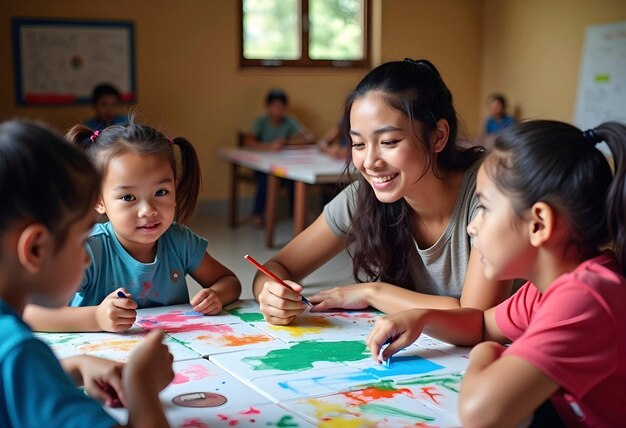
Creativity doesn’t need a special day on the timetable. Students can illustrate concepts, compose short chants to remember rules, invent board games for revision, or create mini exhibitions of what they learned. Even in modern classrooms with devices and digital tools, creativity becomes richer when students produce original work rather than consume content. The goal is to make learning active, expressive, and memorable.
Conclusion
Education becomes fun and meaningful when it is designed around curiosity, purpose, and respect for how children grow. Hands-on experiences, movement, stories, real-world projects, choice, supportive feedback, and daily creativity transform school into a place where students feel capable. When learners enjoy the process and understand the “why,” knowledge stops being temporary and becomes part of who they are.