

Success at school rarely comes from effort alone; it grows from the setting that shapes effort into habits. The right learning environment can quietly strengthen focus, curiosity, and confidence, while a poor fit can make even motivated students feel stuck. Choosing well means looking beyond glossy brochures and exam results to understand what daily life will feel like for a learner. This guide walks through practical, people-centered factors that help families identify a place where students can thrive academically and personally, with fewer surprises after admission.
Start With the Learner’s Everyday Needs
Look Closely at Classroom Culture
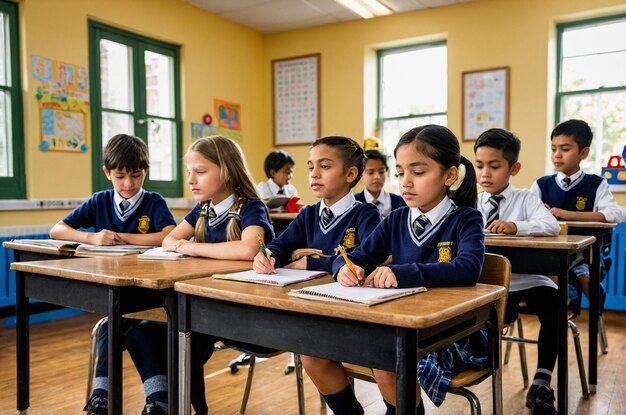
A classroom is more than desks and boards; it is a social ecosystem. Notice how teachers speak to students and how students speak to one another. Respectful communication, patient correction, and purposeful collaboration create a space where students are willing to attempt difficult work. Pay attention to whether questions are welcomed or brushed aside, and whether mistakes are treated as learning moments or embarrassments. If the atmosphere feels tense or overly competitive, students may hide confusion rather than seek help. A healthy culture encourages persistence, and it can make learning fun without turning everything into entertainment.
Evaluate How Teaching Is Designed
Great instruction is not about a single “star teacher”; it is about a system that makes learning consistent across grades. Ask how lesson plans are built, how concepts are revisited over time, and how teachers adjust for different ability levels. Strong environments use checks for understanding, varied practice, and clear explanations, not just speed and homework volume. Look for evidence of thoughtful pedagogy through student work on display, teacher feedback in notebooks, and examples of projects that show real understanding. If a school can explain why it teaches in a certain way and how it knows the approach works, you are seeing maturity in design rather than luck.
Check Assessment, Feedback, and Support Systems
Marks matter, but feedback matters more because it tells students what to do next. Ask how often assessments occur, what types are used, and how results are shared. A balanced system includes quizzes, presentations, skill-based tasks, and reflective work, not only term-end exams. Also, ask what happens after results: Are there doubt-clearing sessions, mentoring, or targeted practice plans? The strongest environments catch gaps early and address them kindly. In addition, explore how the school supports students who feel anxious, struggle socially, or face learning differences. A reliable support system prevents small issues from turning into long-term setbacks.
Notice the Role of Activities and Real-World Exposure
Learning becomes durable when students connect ideas to life. Co-curricular opportunities, debate, arts, coding, sports, science clubs, and community service help students discover strengths that exams do not measure. Look for variety, but also look for depth: do students merely participate, or do they build mastery through consistent coaching and performance? Field visits, guest talks, and exhibitions can make concepts more concrete and help learners understand future pathways. A strong environment treats activities as part of education, not as distractions added only for publicity.
Consider the Peer Group and Social Safety
Peers shape motivation, values, and confidence. During a visit, observe whether students appear comfortable approaching teachers and whether younger children seem safe and included. Ask how the school handles bullying, conflict, and online behavior. Policies matter, but implementation matters more. Look for clear reporting channels, responsible supervision, and a culture where students intervene rather than spectate. Also consider class size and how groups are formed for activities; thoughtful grouping can prevent isolation and help quieter learners find their place. A socially safe environment gives students mental space to focus on growth instead of self-protection.
Review Infrastructure Without Being Dazzled
Facilities can support learning, but they should not replace it. Libraries, labs, sports areas, and digital tools are valuable when they are used frequently and meaningfully. Ask how often students access the library, what lab sessions look like, and whether technology is used for deeper understanding rather than passive screen time. Cleanliness, ventilation, lighting, drinking water, and safe transport are just as important as fancy auditoriums. If possible, visit during regular school hours to see whether resources are active. Sometimes a modest campus with strong routines will outperform a larger one that lacks day-to-day academic discipline.

Understand Communication With Families
A good learning environment treats parents as partners, not as outsiders called only during problems. Ask how updates are shared, how often meetings occur, and what channels exist for concerns. Notice whether communication is transparent about both strengths and areas to improve. It is also helpful to learn how homework expectations are set and whether families receive guidance on supporting study habits without micromanaging. Clear communication reduces stress at home and keeps students accountable in a balanced way. The best institutions build trust by being consistent, responsive, and specific.
Match Values, Schedule, and Long-Term Direction
A school can be academically strong and still be wrong for your family’s values or daily life. Consider commute time, sleep schedules, after-school load, and how much time remains for rest and hobbies. Ask about discipline approaches, language policies, and how the school talks about success. Does it emphasize character, curiosity, and service, or only marks and trophies? Also, explore career guidance and how students are helped to choose streams, subjects, and goals. When a school aligns with the learner’s future needs and the family’s lifestyle, the child is more likely to stay steady through challenging years, even if unique education methods are not the main selling point.
Conclusion
Choosing a learning environment is an investment in habits, identity, and opportunity. The best choice is rarely the one with the loudest reputation; it is the one where the student can concentrate, ask questions, build friendships, and recover from setbacks with support. Use visits, conversations, and careful observation to understand the daily reality behind the brochures. When the culture, teaching, feedback, activities, safety, resources, and values all fit the learner, success becomes a natural outcome of the environment rather than a constant struggle against it.