

Great bed linen does more than cover a mattress; it shapes how your room feels at the end of a long day and how you wake up in the morning. The right choices can make a space look calmer, feel more comfortable, and stay easier to care for week after week. Because there are so many fabrics, weaves, finishes, and colors on the market, it helps to approach the decision like a small design project rather than a quick purchase. With a few practical checks and a clear sense of the mood you want, you can build a setup that looks intentional and feels genuinely restful.
Start with how you want to sleep
Before choosing colors or patterns, it helps to think about the kind of sleep environment you prefer. Do you tend to sleep hot, wake up feeling cold, or experience temperature changes throughout the night? These habits should guide your bedding choices more than passing trends. When browsing bedding sets online, it’s easy to be drawn in by attractive photos, but real comfort usually depends on factors like fabric type, weave, and weight rather than visual styling. Consider whether you prefer a crisp hotel-like feel, a soft and breathable drape, or a warm, cozy layer, and let those preferences shape your final selection.
Match the feel to the season and your room climate
Your bedroom temperature and the time of year should influence what you put on the bed. In warmer months, lightweight and breathable options tend to feel fresher, while cooler seasons often call for thicker, heat-holding layers. If your room gets morning sun or you live in a humid area, consider choices that stay airy and dry quickly. In drier, colder climates, slightly heavier textiles can feel more comforting. When selecting pieces from a home bedding collection, aiming for two “modes”, light and insulating, can help you adjust without constantly replacing your setup.
Pay attention to what touches your skin first
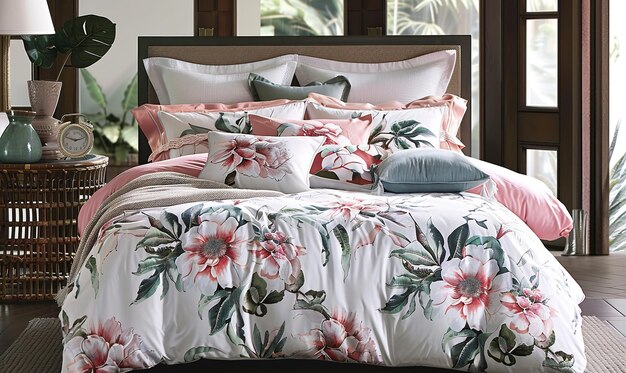
The most important part of bed linen is the surface you actually feel all night. Some materials feel crisp and structured, while others feel silky or softly brushed. If you have sensitive skin, you may prefer smoother textures and minimal finishes. If you like a more relaxed look and feel, you might enjoy a subtle texture that becomes softer with time. Instead of choosing based on a label alone, imagine the tactile experience: the way the sheet slides, how it drapes over your legs, and whether it feels cool or cozy when you first get in.
Check the small construction details that signal quality
Many people focus on thread count or brand name, but the little details often predict how well linen performs over time. Look for even stitching, reinforced corners, secure closures, and tidy seams that won’t twist after washing. On duvet covers, ties or corner anchors help keep the insert from shifting. On pillowcases, a well-finished envelope closure or sturdy zipper keeps the shape neat. These details don’t just improve appearance; they reduce nightly annoyance like bunching, sliding, and constant readjusting.
Understand weave and finish for the texture you want
Two sets made from the same fiber can feel completely different because of the weave. Percale is usually crisp and breathable, making it a favorite for warm sleepers and anyone who loves that freshly pressed sensation. Sateen is smoother with a subtle sheen and a warmer hand-feel, which can be great in cooler months or for people who dislike crispness. Jersey knit behaves more like a soft T‑shirt, while flannel brings warmth and fuzziness for winter. Finishes also matter: some sets are garment-washed for softness, while others have a tighter, more polished feel that looks tailored.
Create balance with proportions, not just matching pieces
A bed looks “right” when the proportions are pleasing, even if everything doesn’t match. Instead of relying on a full coordinated set, think in terms of visual balance: a fuller top layer to create softness, a flatter layer beneath for structure, and pillows arranged to create height without clutter. If your headboard is tall and bold, keep bedding lines cleaner. If the room is minimal, add gentle volume through a slightly puffier duvet or a lightly quilted coverlet. One of the most useful bedroom styling tips is to step back and look at the bed like a silhouette. Clean edges, comfortable height, and simple symmetry often look more elevated than extra accessories.
Choose a palette that supports rest
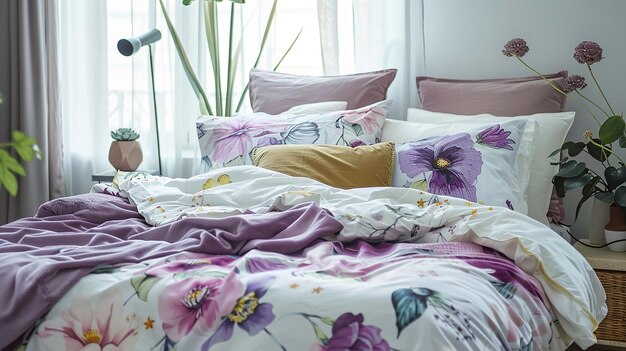
Color can make a bedroom feel larger, warmer, brighter, or more grounded. Soft neutrals and low-contrast combinations tend to feel calming and timeless, while high contrast can feel energetic and bold. If you already have strong color on the walls or in a rug, your linen can act as a visual “breather.” If your room is minimal, the bed can provide gentle interest through tonal layers or subtle patterns. The most reliable approach is to pick one anchor color, one supporting neutral, and one small accent shade you can repeat in a cushion or throw.
Add pattern with restraint and intention
Patterns can elevate a bed fast, but too many can create visual noise. If you want a pattern, choose one hero element like a striped duvet or a small floral pillowcase, and keep the rest quieter. Scale matters: small prints read as texture from afar, while large prints become the focal point. Also consider how patterns interact with other lines in the room, like headboards, curtains, or wall art. When in doubt, let the bed’s main layer stay simple and use patterns in removable details so you can refresh the look without replacing everything.
Make upkeep easy, so the bed stays inviting
The best linen is the kind you can realistically maintain. If you prefer low effort, choose options that look good without ironing and that wash well on a regular cycle. If you love a crisp, tailored finish, you may be happier with linens that respond well to smoothing and folding. Consider how often you can wash, how quickly items dry in your space, and whether you can rotate between sets. Linen that fits your routine will keep its appeal longer, because you’ll be able to care for it consistently instead of treating it like something too precious to use.
Conclusion
Choosing bed linen is ultimately about building a sleep space that fits your body and your taste, not copying a staged room shot. When you start with comfort needs, match the right texture and weave, and then refine the look through color, pattern, and proportion, your bedroom becomes easier to maintain and far more inviting. With realistic upkeep and attention to quality details, you’ll end up with linen that looks polished in daylight and feels even better at night, making your bed a place you’re genuinely happy to return to.