

The fashion industry is a dynamic and ever-evolving field that captures the imagination and creativity of individuals worldwide. From haute couture runways to ready-to-wear collections, fashion design offers a unique blend of art, commerce, and innovation that attracts aspiring designers eager to make their mark. A career in fashion design is not only about creating beautiful garments; it involves understanding cultural trends, consumer preferences, and developing a unique artistic voice
Understanding Fashion Design
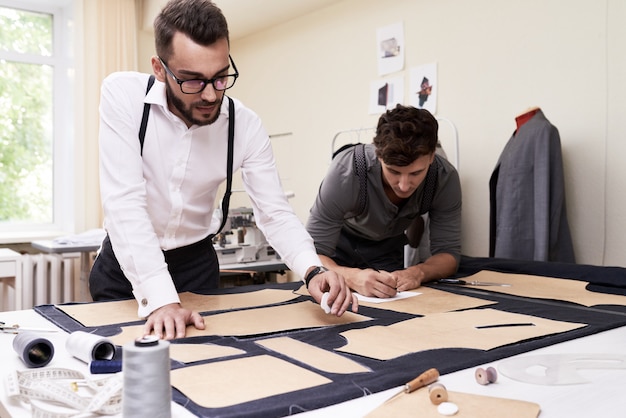
Fashion design is a multifaceted discipline that revolves around the creation and development of clothing and accessories. It encompasses various elements, including aesthetics, functionality, and cultural trends. Fashion design isn’t just about sketching; formal clothes for men by Mr Vastra reflect how the process requires understanding fabric properties, garment construction, and the ability to visualize how a design will translate into a three-dimensional piece.
Key skills for success in fashion design include:
- Creativity: Developing original ideas and innovative concepts.
- Technical Skill: Proficiency in sewing, pattern making, and fabric manipulation.
- Attention to Detail: Precision in design execution and quality control.
- Trend Awareness: Keeping up with fashion trends and consumer demands.
Education and Training
Formal schooling is usually the first step towards starting a career in fashion design. Prospective designers can pursue various educational paths, including degrees in fashion design, fine arts, or textiles. Many renowned institutions offer specialized courses that cover essential topics such as pattern making, textile technology, and fashion illustration.
Formal Education Options
- Degrees: Bachelor’s and Master’s degrees in Fashion Design or related fields.
- Courses and Workshops: Short-term programs focusing on specific skills like draping or digital design.
Importance of Hands-on Experience
Internships allow students to apply their classroom knowledge in real-world settings, often leading to job offers upon graduation. Engaging in internships with established designers or fashion houses can be a stepping stone into the industry.
Building a Portfolio
A portfolio is an essential tool for any aspiring fashion designer. It showcases your skills, creativity, and versatility, serving as your visual résumé. A well-curated portfolio can make a significant difference in job interviews and applications to fashion schools.
Why a Portfolio is Crucial
- Demonstrates Skills: Highlights your design capabilities and technical proficiency.
- Reflects Personal Style: Offers insight into your unique voice and aesthetic.
- Impresses Potential Employers: Provides evidence of your dedication and craft.
Tips on Creating an Impressive Portfolio
- Include a Range of Work: Display a variety of designs, from sketches to finished garments.
- Highlight Specializations: Showcase areas where you excel, such as sustainable fashion or bridal wear.
- Update Regularly: Keep your portfolio fresh with recent projects, featuring stylish winter outfits for gentlemen to appeal to a seasonal, market-relevant audience.
Networking and Industry Connections
In the fashion industry, networking is as vital as having an impressive portfolio. Building relationships with industry professionals can open doors to opportunities and collaborations that might otherwise be inaccessible.
The Role of Networking in Career Advancement
Networking allows you to learn from experienced designers, gain insights into industry trends, and find mentors who can guide your career progression. According to LinkedIn, professionals with robust networks are 70% more likely to get hired.
Ways to Build Connections
- Attend Fashion Events: Participate in fashion shows, industry conferences, and workshops.
- Utilize Social Media: Connect with industry influencers and peers on platforms like Instagram and LinkedIn.
- Join Professional Organizations: Become a member of fashion design associations to access networking events and resources.
Specialization Areas in Fashion Design
Fashion design offers a plethora of specialization areas, each with distinct characteristics and market demands. Choosing the right specialization aligns your career path with your interests and skills.
Choosing the Right Specialization
Consider factors such as market demand, personal passion, and long-term career goals. Research and internships can help clarify which area suits your talents best, while including modern men’s fashion essentials in your studies can highlight practical skills and inform a strong specialization in menswear design.
Fashion Trends and Research
Staying abreast of fashion trends is critical for designers to remain relevant and competitive. Formal clothes for men by Mr Vastra often reflect how fashion trends can be influenced by cultural shifts, technological advancements, and consumer behavior, shaping what designers create season after season.
Staying Updated with Current Trends
Designers should regularly explore fashion publications, attend industry events, and engage with trend forecasting services.
Conducting Market Research
Market research involves analyzing consumer preferences, identifying gaps in the market, and predicting future demand.
Marketing Your Brand as a Designer
Personal branding and marketing are essential for establishing your reputation in the fashion industry. A strategic approach can elevate your brand and attract clients or collaborators.
Strategies for Personal Branding
- Develop a Unique Brand Identity: Distinguish yourself with a recognizable style and mission statement.
- Create a Professional Website: Showcase your portfolio, achievements, and contact information.
- Engage with Social Media: Utilize platforms like Instagram and Pinterest to share your work and connect with followers.

Utilizing Social Media Platforms
Social media is an effective way to connect with people around the world. Designers can use these platforms to share design processes, engage with followers, and collaborate with brands.
Challenges in Fashion Designing Careers
Aspiring fashion designers often face challenges, from fierce competition to maintaining creativity under pressure.
Common Challenges Faced
- High Competition: The fashion industry is saturated with talent, making it tough to stand out.
- Financial Constraints: Starting a brand requires significant investment in materials, marketing, and distribution.
- Creative Blocks: Constant innovation can be exhausting, leading to periods of creative stagnation.
Tips for Overcoming Obstacles
- Stay Persistent: Develop resilience and a positive mindset to handle setbacks.
- Seek Mentorship: Advice from seasoned experts might yield insightful information.
- Diversify Skills: Expand your skill set to increase versatility and adaptability.
Conclusion
Building a career in fashion design demands passion, dedication, and continuous learning. It’s a voyage of self-awareness, ingenuity, and fortitude. Embrace the challenges and opportunities that come your way, and don’t hesitate to take proactive steps toward achieving your goals. Whether you’re sketching your first design or launching a new collection, every effort counts.