
A high-converting digital marketing strategy is not built on isolated tactics or short-lived trends. It’s created by aligning audience insights, messaging, creative, and measurement into a system that consistently turns attention into action. When the right elements work together, marketing becomes more predictable: traffic quality improves, leads become more sales-ready, and conversion rates rise because the experience feels relevant at every step.

Audience Insights Shape Better Conversions
High conversions start with precision about who you’re targeting and why they should care. Audience clarity means understanding pains, motivations, objections, buying triggers, and how prospects compare alternatives. When these insights are documented and updated, they influence every other decision: the offer, the copy, the creative direction, and the channels you prioritize. The marketing feels like it was made for them, which is what conversion is really about: reducing doubt and increasing confidence.
Strong Offers Match Funnel Intent
Many campaigns fail not because the ads or content are weak, but because the offer doesn’t match the stage of intent. A high-converting system pairs the right offer with the right audience temperature. Cold prospects often need a lower-friction step like a quiz, free trial, assessment, or valuable download. Warmer prospects are more receptive to a consultation, demo, or direct purchase. This is where white-label online marketing can support funnel fit, especially when you want to add performance channels or specialized execution without slowing down internal teams. The key is ensuring the offer remains consistent with your brand promise while the funnel removes unnecessary steps and distractions.
Creative Drives Clicks And Actions
Creative is not decoration; it’s a conversion lever. Even the best targeting and copy will struggle if the visuals don’t communicate quickly. Scroll-stopping creative relies on contrast, clarity, and a single dominant idea. It also adapts to the platform: what works in short-form social may fail in search or email.
Creative consistency across touchpoints
A prospect should feel like they’re in the same story from ad to landing page. Consistent colors, value proposition, and tone reduce cognitive load and increase the chance of conversion.
Testing variations with a hypothesis
High-performing teams test angles, formats, and hooks with intention. Each variation should answer a specific question about what the audience responds to most.
Performance-driven iteration cycles
Creative improves when it’s refreshed on a schedule informed by fatigue signals, engagement trends, and conversion data, not subjective opinion.
Landing Pages Maintain Buyer Momentum
A landing page should behave like a well-structured conversation. It opens with a clear promise, supports it with proof, addresses objections, and makes the next step obvious. The most common conversion killers are cluttered layouts, competing calls-to-action, unclear headlines, and weak proof. Small details matter: faster load times, mobile-first layouts, short forms for cold traffic, and reassurance elements like guarantees, security badges, and testimonials placed near decision points.
Channel Mix Aligns With Intent
High-converting digital marketing doesn’t chase every channel. It chooses the platforms where buyer intent is strongest and matches each channel’s role to the funnel. Search often captures existing demand, while social can create demand. Email nurtures and recovers demand. Retargeting reinforces demand. Many teams focus on improving meta ads performance quickly by tightening audience signals, simplifying offers, and aligning creatives with a single measurable goal rather than trying to fix everything at once.
Tracking Reveals What Truly Works
When measurement is weak, marketing becomes guesswork dressed up as analytics. High-converting teams define success metrics before launch, map conversion events accurately, and validate tracking across platforms. They also use attribution with healthy skepticism because platforms often over-credit themselves. The goal is not more data; it’s more trustworthy decisions. When measurement is solid, you can scale what works and cut what doesn’t with confidence.
Operations Scale Output Without Slowdowns
Even a strong strategy can underperform if execution is slow. Speed matters because customer behavior shifts, platforms change, and competitors iterate. High-converting marketing operations rely on clear roles, reusable templates, and a consistent production rhythm for ads, emails, landing pages, and content. For organizations that want to grow organic visibility without hiring a full in-house department, it’s often practical to use seo services without building infrastructure, so the focus stays on strategy, approvals, and quality control rather than staffing complexity.
Retention Turns Buyers Into Repeaters
Conversion doesn’t end at the first sale. The highest-converting brands build lifecycle paths that increase repeat purchases, referrals, and upgrades. This includes onboarding sequences, value reinforcement, reactivation campaigns, and segmentation based on behavior. Retention marketing also increases paid efficiency because it raises lifetime value. The result is a compounding effect: better retention fuels more scalable acquisition, and more acquisition expands the dataset that improves personalization and segmentation.
Optimization Culture Sustains Conversion Growth
High conversion rates aren’t achieved once and then maintained automatically; they’re the result of building a culture focused on continuous optimization. Teams that prioritize regular experimentation, document their learnings clearly, and base decisions on real data are the ones that sustain growth over time. This mindset is essential in digital marketing for traffic and revenue, where even small, consistent improvements can compound into significant gains. Clarity and focus often convert better than complexity, making it crucial to test not just what to add but also what to remove.
Structured experimentation calendar
Conversion gains compound when testing is scheduled and prioritized, not done only when performance drops.
Cross-functional feedback loops
Sales calls, support tickets, and customer interviews often reveal the objections and language that marketing should address next.
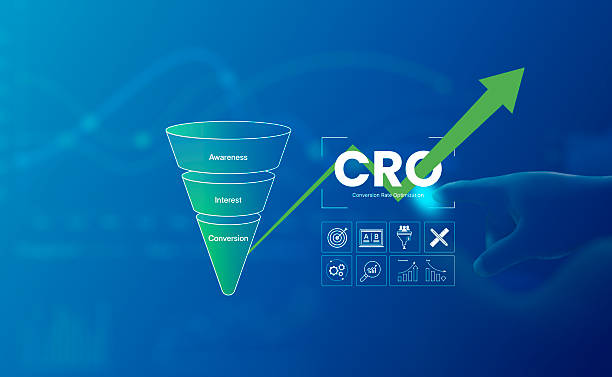
Continuous CRO beyond the landing page
Email sequences, checkout steps, follow-up timing, and ad-to-page alignment all contribute to conversion and deserve ongoing refinement.
Conclusion
A high-converting digital marketing system is built from deliberate choices: precise audience understanding, an offer that fits intent, messaging that builds trust fast, creative that communicates clearly, and landing pages that maintain momentum. When you add reliable measurement, scalable execution, lifecycle retention, and a culture of optimization, conversion rates become less volatile, and growth becomes more repeatable.