
Diesel engines rely on precision. Fuel injectors deliver an exact amount of fuel at an exact pressure, and even small deposits of carbon or varnish can throw that precision off balance. Over time, this leads to rough idling, reduced fuel economy, sluggish acceleration, and, in more serious cases, costly repairs to the fuel system. A quality injector cleaner can help restore performance and protect your engine, but choosing the wrong product can do more harm than good.
With so many additives on the market, it is easy to make a decision based on price or packaging rather than what your engine actually needs. Below are eight common mistakes drivers and fleet operators make when selecting a diesel injector cleaner, along with practical guidance to help you make a more informed choice.
1. Choosing Based on Price Alone
It is tempting to grab the cheapest bottle on the shelf, especially when injector cleaners all appear to do the same basic job. However, price is rarely a reliable indicator of how well a product will actually clean or protect your fuel system. Some low-cost formulas contain diluted active ingredients that offer little more than a placebo effect, leaving deposits largely untouched.
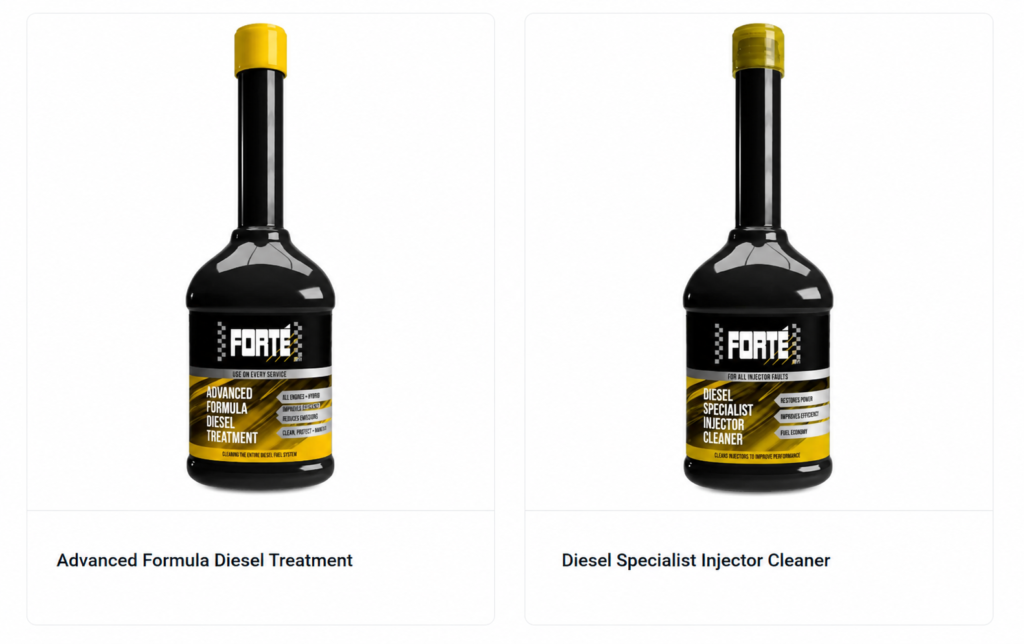
When researching your options, it helps to look past the price tag and focus on formulation quality, particularly the concentration of detergents and lubricity additives. Many drivers searching for the best diesel injection cleaner quickly discover that a slightly higher upfront cost often translates into better long-term engine protection and fewer repeat treatments. Value should be judged by results, not shelf price.
2. Ignoring Compatibility With Your Engine Type
Not every diesel injector cleaner is designed with the same fuel systems in mind. Common rail engines, older mechanical injection systems, and modern high-pressure direct injection setups all respond differently to certain chemical formulations. Using a product that is not suited to your specific engine type can lead to underwhelming results or, in rare cases, unintended interactions with sensitive components.
Before purchasing, take a moment to check the product description and confirm it is formulated for your vehicle’s fuel delivery system. Manufacturers typically specify compatibility clearly, and this small step can prevent wasted money and ensure the cleaner actually reaches and treats the areas that need attention most.
3. Overlooking the Cetane Improvement Factor
Many drivers focus solely on cleaning power and forget that a well-rounded injector cleaner should also support combustion efficiency. Cetane rating plays a significant role in how smoothly and completely diesel fuel burns, which directly affects engine noise, starting behaviour, and emissions. A cleaner that ignores this aspect may leave injectors spotless but do little to improve overall running performance.
Products that combine deposit control with cetane-boosting properties tend to offer a more complete solution. This dual action helps the engine run quieter and start more reliably, particularly in colder conditions, rather than simply addressing surface-level cleanliness without touching the combustion process itself.
4. Disregarding Lubricity Properties
Modern diesel fuel, particularly low-sulphur variants, often lacks the natural lubricating properties that older fuel formulations provided. This reduction in lubricity places additional stress on fuel pumps and injectors, components that rely on the fuel itself to reduce friction and wear. A cleaner that focuses only on removing carbon deposits while neglecting lubricity leaves an important gap in protection.
Choosing a product formulated with lubricity enhancers helps compensate for this shortfall, reducing mechanical wear over time. This is especially relevant for vehicles that cover high mileage or operate under demanding conditions, where the combined stress of friction and deposit buildup can accelerate component fatigue if left unaddressed.
5. Skipping the Ingredient List
It is easy to be swayed by bold marketing claims on the front of a bottle without checking what is actually inside. Some injector cleaners rely heavily on solvents that offer a quick, superficial clean but provide little lasting benefit. Others contain a more balanced blend of detergents, dispersants, and stabilisers designed to address deposits at their source.
Taking a few extra minutes to review the ingredient list, when available, can reveal a great deal about a product’s true effectiveness. Look for recognised detergent compounds and avoid formulas that seem to rely almost entirely on generic solvent bases, as these tend to deliver short-lived results rather than genuine long-term improvement.
6. Neglecting Usage Frequency and Dosage Instructions
Even the most effective injector cleaner will underperform if it is used incorrectly. Some drivers assume that adding more product will produce better results, while others forget to treat their fuel system regularly enough to maintain cleanliness. Both approaches can reduce the effectiveness of the treatment and, in some cases, waste the product entirely.
Following the manufacturer’s recommended dosage and treatment interval ensures the active ingredients work as intended. Consistent, correctly measured use tends to produce far better long-term results than sporadic or oversized doses, and it also helps maintain a predictable maintenance routine for your vehicle or fleet.
7. Forgetting to Consider Fuel Tank Size and Vehicle Usage
A treatment designed for a small passenger car will not necessarily suit a larger commercial vehicle with a much bigger fuel tank and higher daily mileage. Choosing a cleaner without factoring in tank capacity or typical usage patterns can result in under-dosing, which limits the product’s ability to clean effectively across the entire fuel system.

Fleet operators and owners of larger vehicles should pay particular attention to dosage ratios relative to tank size. Matching the treatment volume to your vehicle’s actual fuel capacity ensures the active ingredients are properly distributed, giving the cleaner a genuine opportunity to work throughout the system rather than being diluted beyond effectiveness.
8. Relying Solely on Marketing Claims Instead of Real Reviews
Packaging language can be persuasive, often promising dramatic improvements in performance, fuel economy, and emissions. While some of these claims may hold merit, it is unwise to base a purchasing decision entirely on marketing copy without seeking additional context. Independent feedback from other users can offer a more grounded perspective on how a product performs in real-world conditions.
Before committing to a particular brand, it is worth looking into genuine customer experiences and, where possible, technical data supporting the manufacturer’s claims. This balanced approach helps separate products that deliver measurable benefits from those that rely primarily on persuasive packaging to drive sales.
Final Thoughts
Selecting the right diesel injector cleaner does not have to be complicated, but it does require a bit of attention to detail. Avoiding these eight common mistakes, from ignoring compatibility to overlooking dosage instructions, can make the difference between a product that genuinely restores performance and one that offers little more than false promises. Taking the time to understand what your engine actually needs will help you choose a treatment that supports smoother running, better fuel efficiency, and a longer lifespan for your fuel system components.