

Indian cuisine is celebrated for its bold flavors, aromatic spices, and deep cultural roots. Among its countless delicacies, savory snacks occupy a special place in every household. Crispy, crunchy, and irresistibly flavorful, these treats have evolved beautifully over the generations. In recent years, South Indian savory snacks have become increasingly popular for being both delicious and mindful of modern dietary preferences. Let’s explore how these timeless treats have transformed into flavorful options that blend authenticity with nutrition.
Health Benefits of South Indian Ingredients
Traditional South Indian ingredients like lentils, rice flour, gram flour, curry leaves, and spices bring more than just taste they offer a rich nutritional profile. High in protein, fiber, and essential minerals, these ingredients provide sustained energy and improve digestion. When incorporated into south indian namkeen, they elevate everyday snacking into something both satisfying and nourishing. Even when purchased online, these snacks often retain their homemade charm, offering convenience without compromising on authenticity or health.
A Journey Through Tradition With Savory
Savory treats have been an essential part of South Indian culture for decades. They are served during festivals, shared during family gatherings, and enjoyed as everyday snacks with tea or coffee. Whether it’s Diwali, Pongal, or a simple evening at home, these crunchy delights symbolize warmth, celebration, and hospitality. Modern variations of these snacks respect traditional flavors while adjusting to contemporary preferences offering healthier options while preserving cultural essence.
The Perfect Blend of Crunch and Flavor
If you believe that healthy snacking compromises taste, South Indian savory snacks will pleasantly surprise you. Made from ingredients like roasted gram flour, urad dal, rice flour, sesame seeds, and spices, they offer a delightful balance of crunch and flavor. Many varieties use cold-pressed oils or minimal frying techniques, while spices like asafoetida, red chili, and cumin add a unique aroma. For better snacking habits, explore tea pairing tips to enjoy your cup of tea without compromising health.
Popular Variations Across Regions
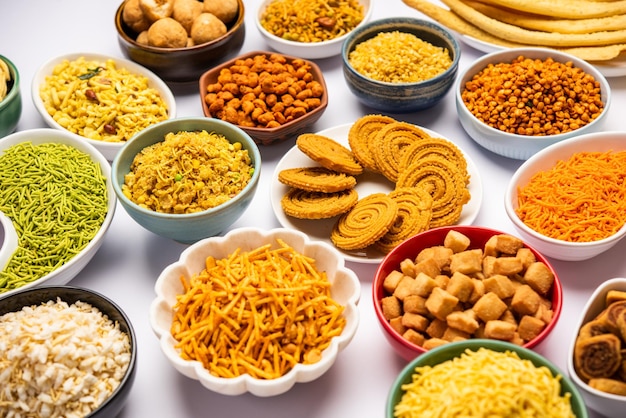
India’s vast culinary diversity allows for endless snack variations, and South India is no exception. You’ll find iconic favorites like murukku, thattai, mixture, ribbon pakoda, benne kodubale, and spicy kara boondi. Some versions include roasted nuts, flattened rice, or dried curry leaves for added crunch. Health-conscious consumers also enjoy baked or air-fried interpretations of these classics. Children love mildly spiced versions, while adults savor the fiery traditional ones, ensuring that every palate finds its perfect match.
A Convenient Way to Enjoy These Delights
The digital age has made enjoying South Indian snacks easier than ever. Many premium brands and home-based businesses now offer preservative-free, freshly prepared savory snacks packaged for longer shelf life. Ordering online allows you to explore a wide range of flavors mild, spicy, crunchy, or nut-rich from the comfort of your home. You can also explore food articles to discover culinary inspiration, regional specialties, and snack pairings. Whether you’re vegan, gluten-free, or simply mindful about ingredients, online stores offer options that cater to all dietary preferences without sacrificing authenticity.
How to Prepare South Indian Snacks at Home
For those who love homemade treats, preparing classic South Indian snacks can be both simple and rewarding. Start by mixing rice flour or lentil flour with spices like asafoetida, chili powder, cumin, and salt. Add warm oil or ghee to bind the mixture, then knead into a soft dough. Shape it into spirals, ribbons, or discs and fry until crisp and golden. Adding roasted peanuts, cashews, or curry leaves enhances the flavor. Homemade versions allow full control over ingredients, spice level, and cooking methods.
Suitable for All Age Groups
One of the best features of South Indian savory snacks is their universal appeal. Children love the crunch and mild flavors, making them a great addition to lunch boxes or evening munching. Adults appreciate their lightness and the sustained energy they provide, thanks to nutrient-rich ingredients. Elderly family members find them easy to digest when prepared with minimal oil or roasted ingredients. This makes South Indian snacks a versatile option for every age group and lifestyle.
A Sustainable and Environmentally Friendly Choice
Many ingredients used in traditional South Indian snacks like millets, lentils, and rice are environmentally sustainable. They grow well in India’s climate with minimal water usage and support local farmers. Choosing snacks made from these grains helps promote eco-friendly farming, reduces the demand for heavily processed foods, and supports small-scale food artisans. If you’re passionate about mindful eating, exploring regional foods and sustainable snack options is a meaningful step toward conscious living.
Conclusion
South Indian savory snacks bring together heritage, flavor, and mindful eating in a delightful way. Whether enjoyed during festivals, shared with family, or savored with a cup of tea, they offer a guilt-free indulgence rooted deeply in tradition. With the added convenience of ordering online, discovering authentic flavors has never been easier. Whether you prepare them at home or explore ready-made options, these crunchy treats are sure to become a favorite addition to your snack routine. Enjoy the richness of culture and taste with every bite of classic South Indian snacks.